Harmonizing Elements: Mastering the Art of Landscape Symbiosis Jun 10, 2026
At the heart of landscape symbiosis is a holistic approach to design that brings together different components of your yard. Consider your landscape as a living canvas where each element contributes to the overall aesthetic and ecological health. By incorporating native plants, eco-friendly hardscapes, and strategic water management, you can elevate the look and feel of your garden while promoting sustainability.
Native plants are paramount for creating a balanced ecosystem. They are well-adapted to the local climate and soil, which makes them less susceptible to pests and diseases, reducing the need for chemical treatments. Additionally, native plants support local wildlife, acting as food sources and habitats for pollinators like butterflies, bees, and birds. Choose a variety of plants that bloom at different times to ensure your garden is vibrant year-round and provides continuous support to wildlife.
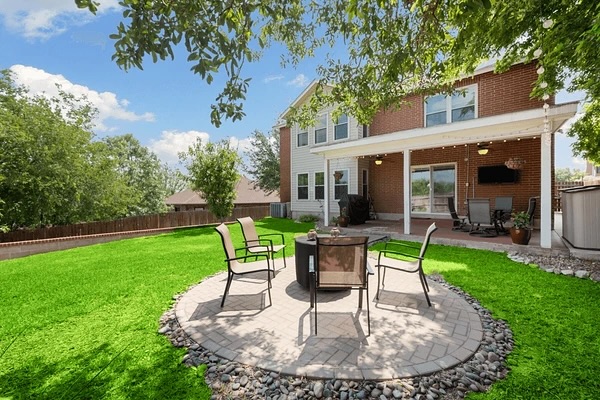
Hardscaping is another crucial element in achieving landscape symbiosis. The right hardscaping not only complements the greenery but also enhances the functionality of your outdoor space. For a sustainable yard, opt for permeable materials such as gravel, wood, or pavers that allow water to seep through and reduce runoff. This practice helps maintain natural water cycles and lessens the impact on stormwater systems.
Strategic water management is essential for the health of both plants and hardscapes. Implementing irrigation systems like drip lines or soaker hoses can ensure efficient water use by delivering moisture directly to the root zones. In addition, rain gardens can be established in low-lying areas to collect and utilize rainwater effectively. These gardens are not only aesthetically pleasing but also play a crucial role in filtering pollutants and managing stormwater.
The concept of sustainability extends beyond the physical elements of your landscape. Consider incorporating features that enhance the usability and enjoyment of your garden. Outdoor kitchens, patios, and seating areas can be designed to blend naturally with the surrounding environment, offering a seamless transition from indoor to outdoor living while minimizing environmental impact.
Maintenance is the key to preserving landscape symbiosis. Regular pruning, soil testing, and the use of organic mulches will keep your garden healthy and thriving. Encourage natural pest control by attracting beneficial insects and consider composting to enrich soil fertility naturally. These practices foster a self-sustaining cycle within your garden, reducing the need for external inputs.
In conclusion, harmonizing elements in your landscape is a rewarding endeavor that combines aesthetics, functionality, and environmental responsibility. By focusing on native plants, sustainable hardscaping, and efficient water management, homeowners can achieve a serene outdoor sanctuary that coexists harmoniously with nature. Magnolia Landscape & Design is here to guide you in crafting a landscape that is as beneficial for the environment as it is beautiful. Let our expertise lead you toward mastering the art of landscape symbiosis, achieving a green oasis that stands the test of time.