The Blueprint to a Sustainable Yard: Combining Functionality with Unmatched Aesthetics Mar 03, 2026
The first step in designing a sustainable yard is choosing native plants. Native species are adapted to local climates and soil conditions, requiring less water and maintenance compared to exotic varieties. By planting a diverse mix of these plants, such as wildflowers, shrubs, and trees native to your region, you not only enhance the visual appeal but also provide vital habitats for local wildlife like birds and pollinators.
Integrating a rainwater harvesting system is another crucial aspect of sustainable landscaping. Collecting and reusing rainwater for irrigation significantly reduces the dependency on municipal water supplies. Simple systems like rain barrels or more intricate underground cisterns can store rainwater effectively. This practice conserves water and lowers utility bills, making it both an environmentally and financially sound investment.
Mulching is a practice that can greatly enhance both the sustainability and looks of your yard. Using organic mulch made from leaves, bark, or wood chips helps retain soil moisture, suppress weeds, and add nutrients as it breaks down. It also creates a polished look around plant beds and walkways, contributing to the yard's aesthetics. By mulching regularly, you promote healthier plants and reduce the need for chemical fertilizers.
Composting is another method that aligns perfectly with sustainability goals. By recycling kitchen scraps and yard waste into nutrient-rich compost, you can greatly improve soil health. The compost not only enriches the soil, making it more fertile, but also reduces the need for chemical fertilizers. Incorporating a composting system can be an integral part of creating a self-sustaining yard that harnesses natural cycles.
Designing with water-efficient irrigation methods is essential for maintaining a sustainable yard. Drip irrigation systems, which deliver water directly to the plant roots, minimize evaporation and water waste. These systems ensure plants receive the right amount of moisture, fostering growth while being mindful of resource consumption. Automated timers and soil moisture sensors can further optimize water use, making your yard both smart and efficient.
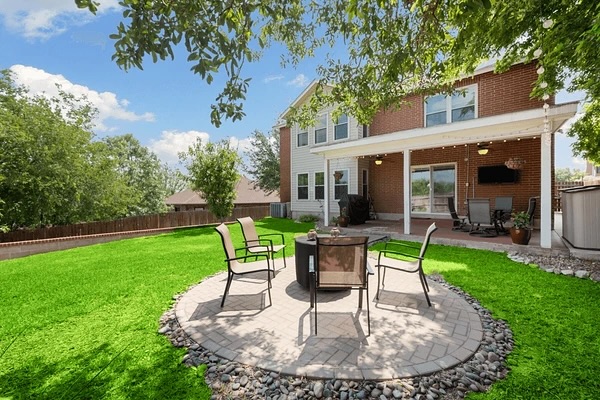
Highlighting functional spaces within your yard is just as important as its ecological impact. Consider designing areas for relaxation and entertainment that seamlessly blend with the natural surroundings. Using sustainable materials for patios, walkways, and outdoor furniture not only complements the ecological focus but also adds to the overall aesthetics. Repurposing existing materials or choosing renewable resources enhances the yard's sustainability while providing stylish and comfortable areas for family and guests.
In conclusion, a truly sustainable yard combines beauty with environmentally friendly practices. By selecting native plants, harvesting rainwater, mulching, composting, and installing efficient irrigation systems, you create a space that benefits both you and the planet. Magnolia Landscape & Design is committed to helping homeowners achieve this balance, turning outdoor spaces into functional, picturesque sanctuaries. Embrace the journey towards sustainability and enjoy the rewards of a yard that is as environmentally considerate as it is stunning.